Table of Contents
- Why Your Spine Drifts Out of Alignment (And What Actually Helps)
- How to Know If You Have Poor Spinal Alignment
- Spinal Alignment Exercises You Can Start Today
- How to Correct Poor Posture at Work and at Home
- Core Control Exercises That Stabilise the Spine
- How Long Does It Take to Improve Posture and Spinal Alignment?
- Tracking Progress and Knowing What to Expect
- Frequently Asked Questions
Last Updated: October 16, 2026
Why Your Spine Drifts Out of Alignment (And What Actually Helps)
Most people picture spinal alignment as a posture problem. Stand up straighter, pull your shoulders back, and you’re done.
After more than 40 years teaching Pilates and working with people in pain, the same pattern is often observed.
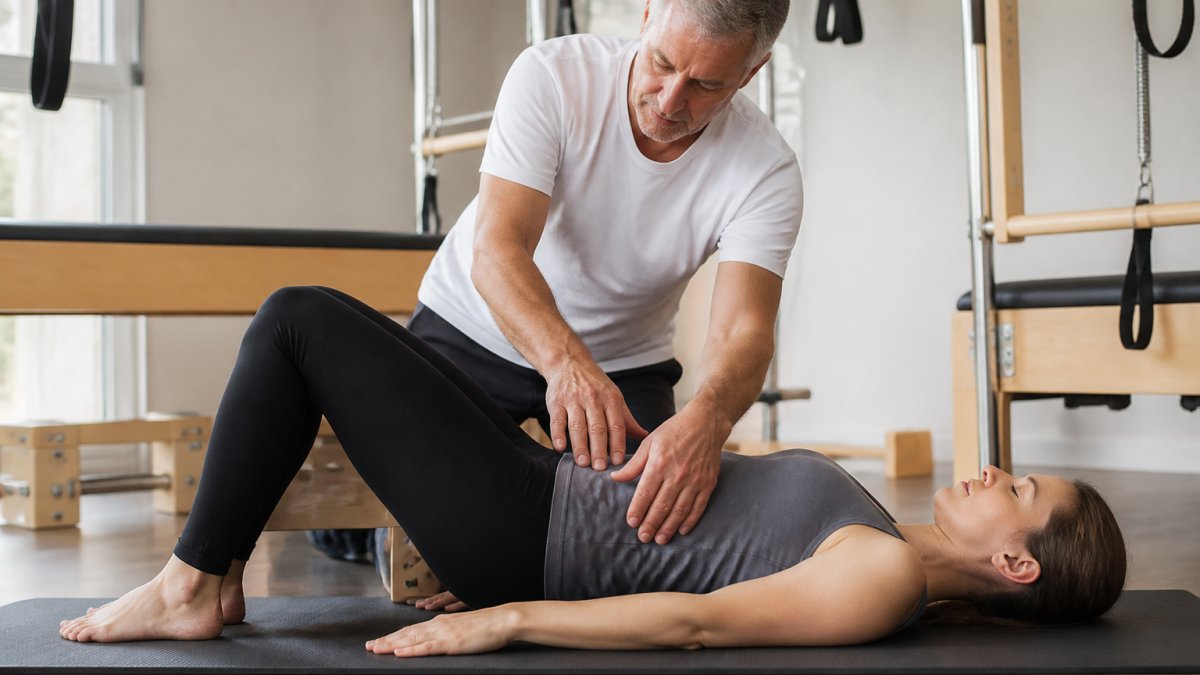
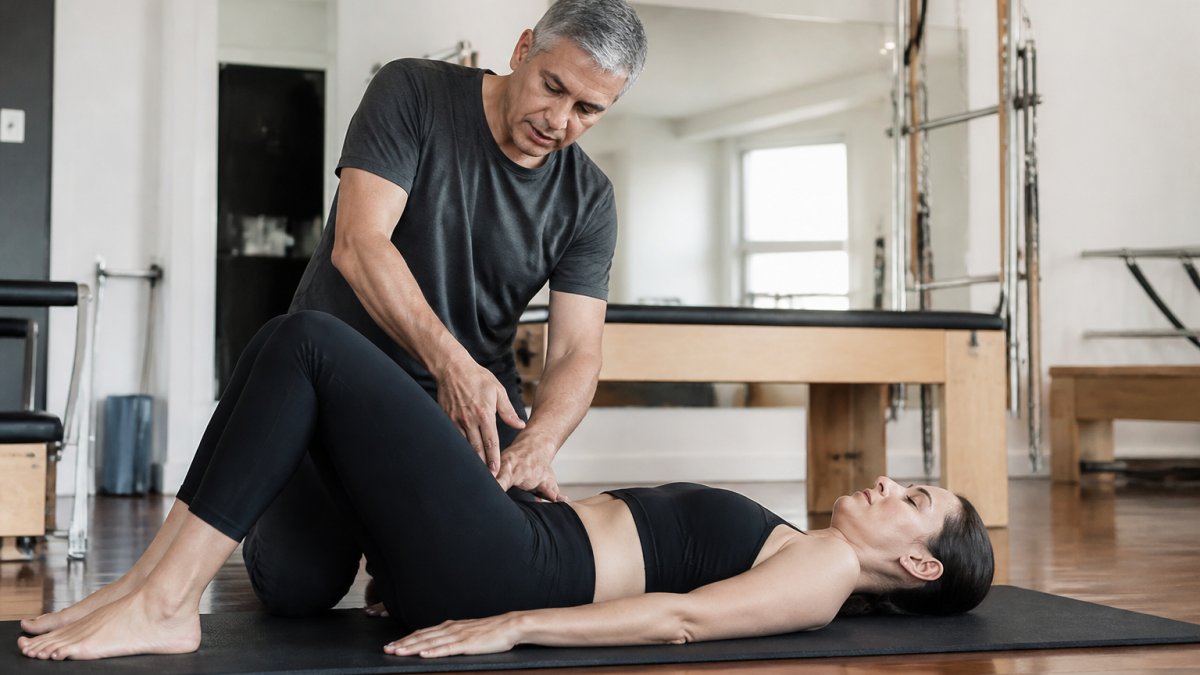
At Menezes Method Pilates, alignment is treated as a control problem, not a strength problem.
Here is the throughline for this guide: you cannot fix alignment with exercises alone.
Australian Institute of Health and Welfare data on back problems
How to Know If You Have Poor Spinal Alignment
You can spot poor spinal alignment without an X-ray or a specialist. A few simple observations at home will tell you plenty.
Look for these everyday clues:
- One shoulder sits higher than the other in photos
- Your head juts forward past your shoulders when you relax
- You feel stiff in the upper back after long sitting
Signs You Should Not Ignore
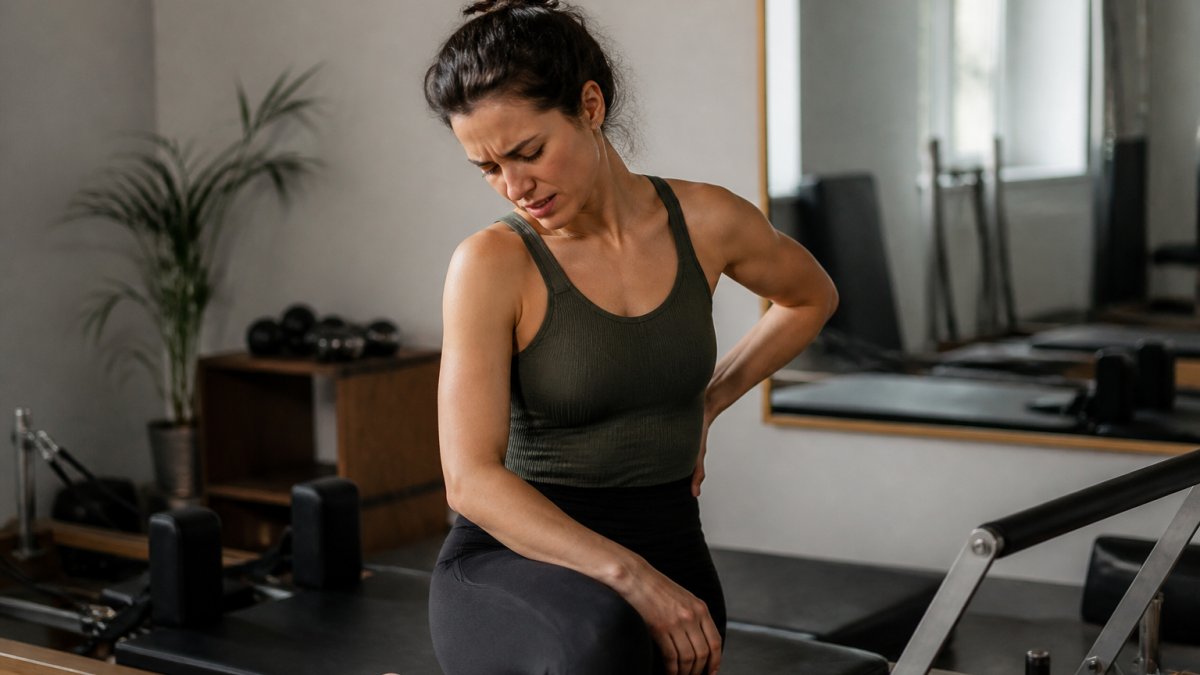
Some symptoms point to something more than a posture habit. Take these seriously.
- Pain that radiates down an arm or leg
- Numbness, tingling or weakness in a limb
- Unexplained fever alongside back pain
When to Seek Medical Assessment
See a qualified health professional before starting any exercise program if you have any of the signs above. This guide is general information, not a diagnosis.
A physiotherapist, GP or sports physician can assess you properly and rule out anything serious. Once you have the all-clear, movement work can begin safely.
Spinal Alignment Exercises You Can Start Today
These spinal alignment exercises are simple, low-load and easy to modify. Do them on a mat in a quiet space. The goal is control, not range, and every movement below has a regression you can use if the full version feels like too much.
Before You Start: Safety Rules That Apply to Every Exercise
Stop the movement and rest if you feel any of the following:
- Sharp or shooting pain, or pain that travels down an arm or leg
- Numbness, tingling or weakness in a limb
- Dizziness, headache or shortness of breath
A dull, familiar ache that settles within a minute or two of stopping is usually a signal to reduce range or load, not to push through. If pain persists beyond a few days, or if you have a diagnosed condition such as osteoporosis, scoliosis, a disc injury, or you are pregnant, get clearance from a physiotherapist or GP before starting.
Bridge Exercise and Hip Hinge
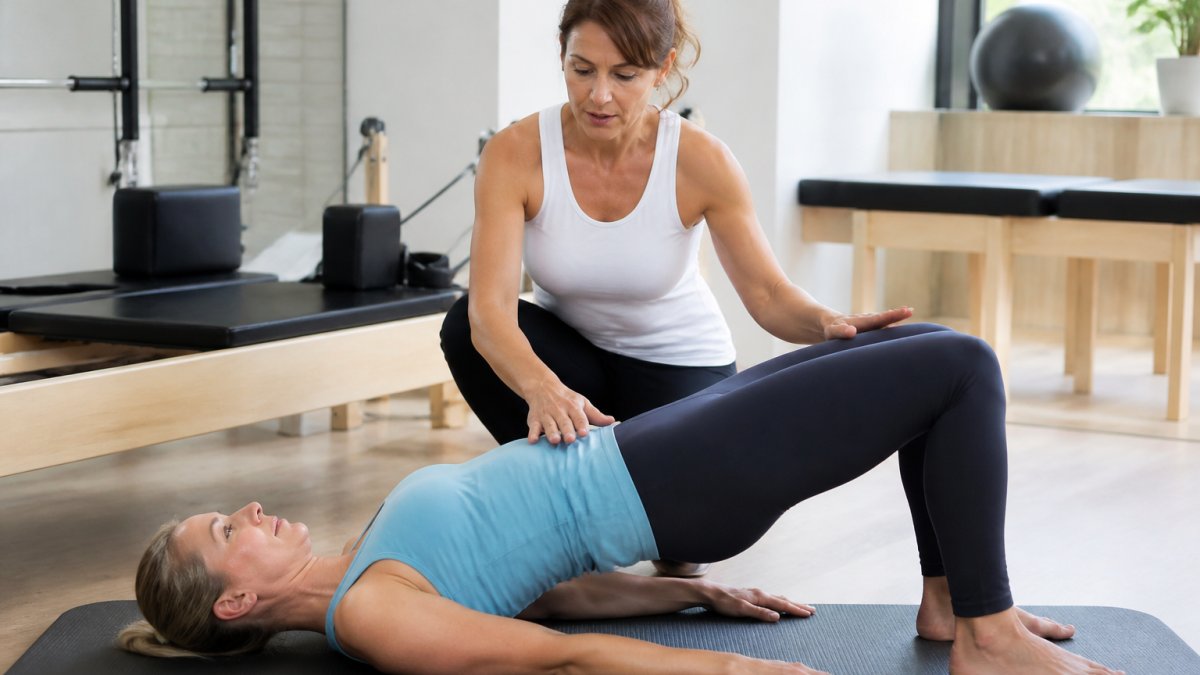
The bridge exercise builds control through the hips, glutes and lower back.
- Lie on your back with knees bent and feet flat, hip-width apart.
- Breathe out and gently lengthen through the spine.
- Press through your feet and lift the hips a few centimetres.
- Hold for three breaths, keeping the ribs relaxed.
- Lower slowly, one vertebra at a time.
For the hip hinge, stand tall and push your hips back as if closing a car door with your bottom. Keep the spine long, not rounded.
Regression: Reduce the depth of the hinge and place your hands on your hip bones so you can feel whether they stay level. Stop rule: If your lower back rounds or you feel a pinch at the front of the hip, come back up and reset.
Child’s Pose, Forward Fold and Hands and Knees
These three positions restore mobility and let the spine decompress.
- Child’s Pose: Kneel, sit back on your heels, and reach your arms forward. Breathe into your back ribs. Modification: Place a cushion under your hips or between your heels and bottom if kneeling is uncomfortable.
- Forward fold: Stand with soft knees and hinge forward, letting the head hang. Roll up slowly. Modification: Rest your hands on a chair seat or bench instead of reaching for the floor.
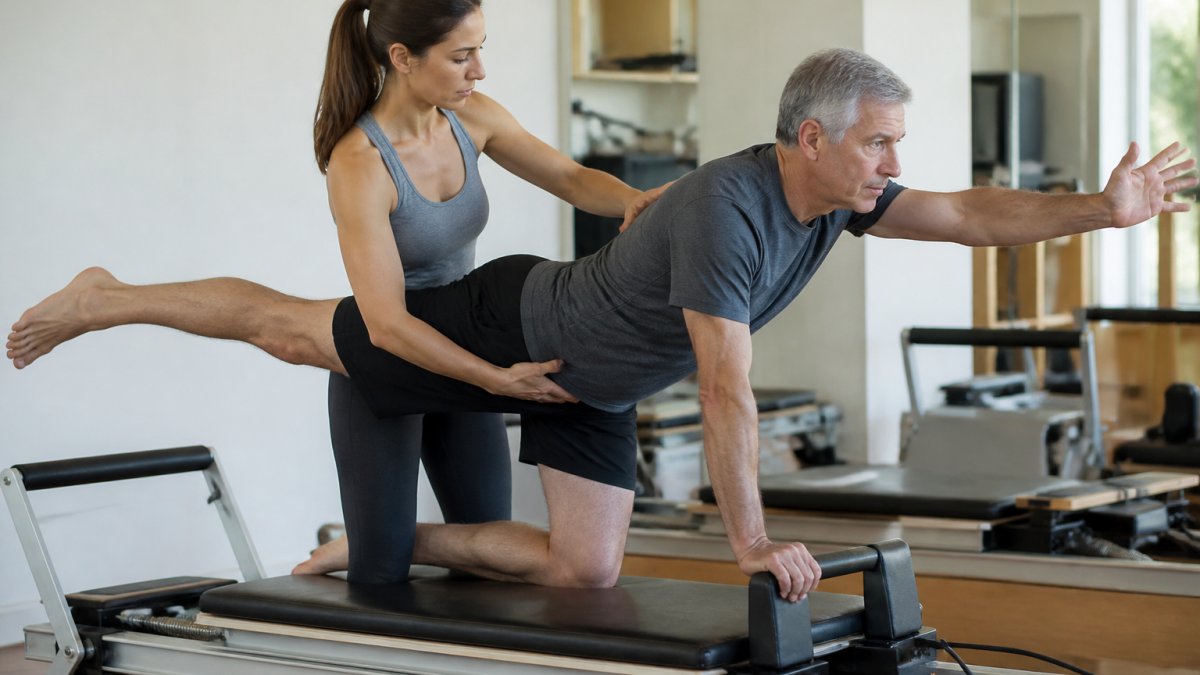
- Hands and knees: On all fours, extend one arm and the opposite leg. Keep the pelvis level. Regression: Lift only the arm, or only the leg, before combining them. Modification: Do the arm and leg lift standing with one hand on a wall for support.
How to Progress Without Flaring Symptoms
A common pattern is to add repetitions before control is solid. Instead, progress in this order:
- Control first, can you hold the position for three calm breaths without losing spinal position?
- Range second, once control is easy, increase how far you move.
- Load third, only add resistance or a weight once range is comfortable and repeatable.
Most practitioners find that two or three short sessions a week, done consistently, beat one long session. If a movement causes pain that lasts more than 24 hours afterwards, drop back to the regression for a week before trying again.
Most people rush the bridge and lose pelvic control at the top. Slow the lift down and stop the moment your ribs flare or your lower back arches. Control beats range every time.
Do not use these exercises to self-treat radiating pain, numbness or weakness. Those symptoms need assessment by a qualified health professional before any exercise program begins.
How to Correct Poor Posture at Work and at Home
Correcting poor posture comes down to setup first, then habits. A good chair will not save you if you sit in it badly for eight hours.
Workplace Ergonomics and Sitting Posture
Set your desk up so good posture is the easy option.
- Screen top at roughly eye level
- Elbows near a right angle, wrists straight
- Feet flat, or on a footrest if your chair is high
When you sit, aim for a neutral spine: natural curves, no forcing. Let the ribs rest down and breathe into the lower ribs.
BOOK YOUR FREE 15 MINUTE CONSULTATION →
Standing Posture, Sleeping Position and Supportive Shoes
Standing posture starts at the feet. Supportive shoes with a stable base reduce the work your spine does to keep you upright.
For sleeping, side sleeping with a pillow between the knees keeps the pelvis level. Back sleepers do better with a pillow under the knees. A pillow that supports the neck curve matters more than a firm mattress.
Safe Work Australia guidance on ergonomics
Core Control Exercises That Stabilise the Spine
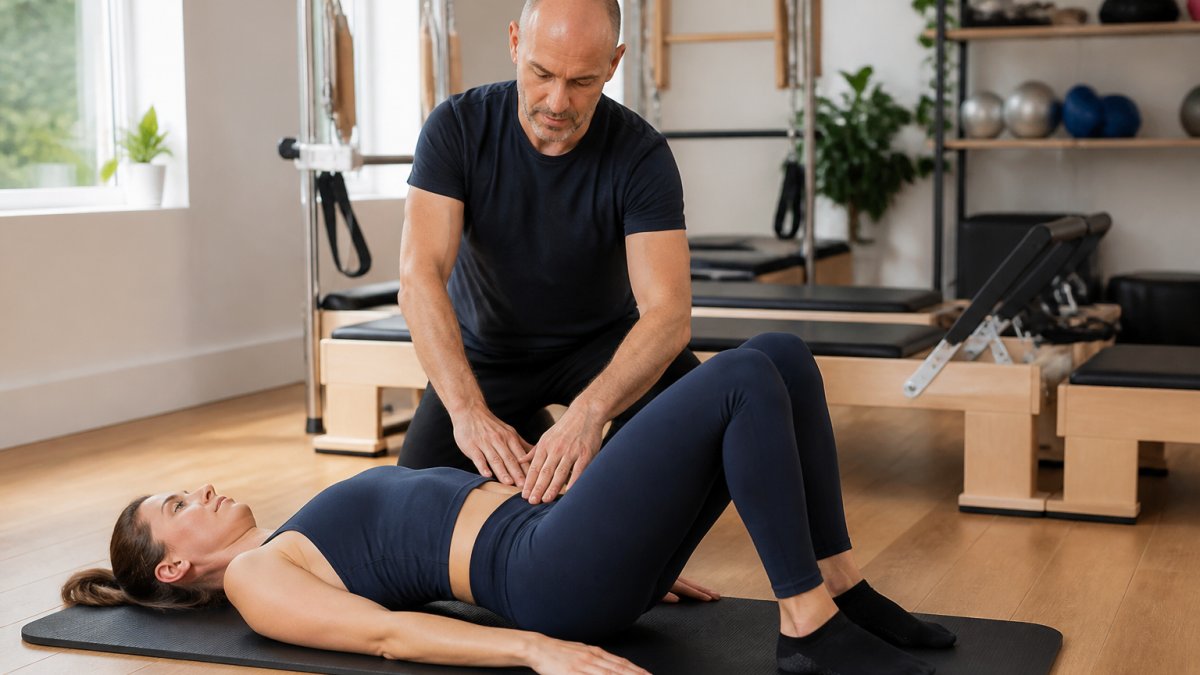
Core control is the ability to stabilise the spine while you breathe and move. It is not the same as core strength.
This confusion is often observed. People can hold a plank for two minutes and still have no idea how to brace gently when they pick up a box.
Core control exercises train timing and precision:
- Slow breathing with rib expansion
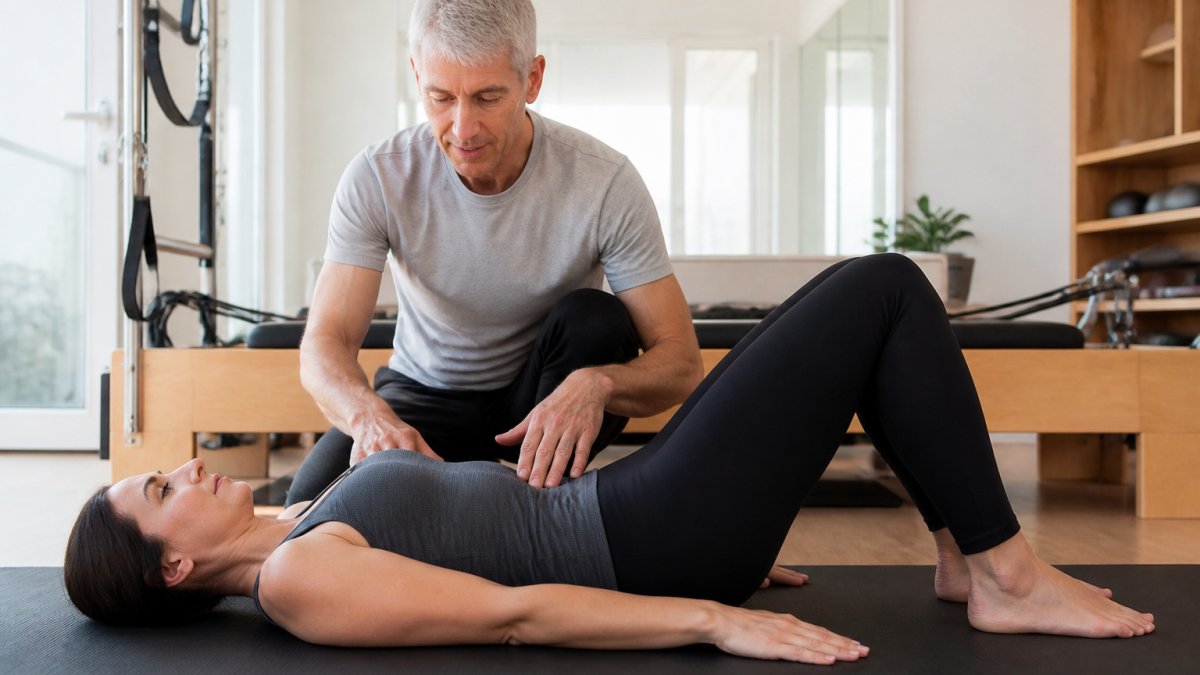
- Gentle lower abdominal activation without gripping
- Single-leg movements that challenge the pelvis
The Menezes Method uses the B-Line® instead of the old “navel to spine” cue.
Core control is accurate, well-timed activation you can hold while breathing. Maximum tension is not the goal, and it usually makes posture worse.
How Long Does It Take to Improve Posture and Spinal Alignment?
Most people notice a difference in how they feel within a few weeks of consistent practice. Visible posture change usually takes longer, often two to three months. Progress depends on your starting point, your daily habits and how often you practise. Someone with mild desk-related stiffness will move faster than someone with years of chronic pain.
What Exercise Can and Cannot Change
It helps to be honest about this. Exercises can improve posture, mobility, strength and comfort. They can change how you hold yourself, how well you breathe under load, and how much tension you carry through the day.
What they generally cannot do is structurally reposition vertebrae.
A useful way to think about it: you are training the muscular and neurological control around the spine, not remodelling the spine itself.
Timelines by Cause and Need
Different starting points need different expectations. The table below is a general guide, not a promise.
| Situation | What Tends to Improve First | Realistic Timeframe |
|---|---|---|
| Desk-related stiffness | Comfort after sitting, ease of breathing | 2-4 weeks |
| General deconditioning | Movement confidence, pelvic control | 6-12 weeks |
| Chronic recurring pain | Tolerance to daily tasks, flare frequency | 3-6 months, with setbacks |
| Post-injury or post-surgery | Guided return to load | Varies; follow your clinician’s plan |
| Scoliosis or structural change | Function, comfort and strength, not curve correction | Ongoing management |
| Pregnancy | Comfort and pelvic control through each stage | Reassess each trimester |
| Osteoporosis | Safe movement patterns and fall prevention | Ongoing, with professional guidance |
If you are pregnant, have osteoporosis, or are managing a diagnosed spinal condition, work with a physiotherapist or appropriately qualified practitioner rather than following a general program. The exercises may look similar, but the dosage, range and precautions differ.
Tracking Progress Without Chasing a Perfect Photo
Use a simple weekly check rather than daily judgement, because day-to-day variation is normal. Track how you feel after sitting, how easily you breathe into your lower ribs, and whether bending and lifting feel less guarded than they did a month ago. A side-on photo every six to eight weeks can show change that you cannot feel, but treat it as one data point, not the goal.
A few things to expect:
- Some days will feel better than others
- Old habits will creep back when you are tired
- Progress is rarely a straight line
Do not chase a perfect posture photo. Forcing yourself into a rigid position creates new tension and often makes pain worse. Aim for easy, breathable control instead.
The honest answer is that alignment work is a gradual process, not a quick fix. Consistency matters more than intensity, and the aim is better function and comfort, not a permanently straightened spine.
Tracking Progress and Knowing What to Expect
You can track progress without fancy equipment. Use a simple weekly check.
| What to Track | How to Check | Realistic Timeline |
|---|---|---|
| How you feel after sitting | Rate discomfort 1-10 | Improves in 2-4 weeks |
| Standing posture | Photo from the side | Noticeable in 6-8 weeks |
| Breathing control | Rib expansion when lying down | Improves in 2-3 weeks |
| Movement confidence | Bending and lifting without fear | Builds over 2-3 months |
A few things to expect:
- Some days will feel better than others
- Old habits will creep back when you are tired
- Progress is rarely a straight line
Frequently Asked Questions
How can I realign my spine naturally?
Natural spinal alignment comes from consistent daily habits rather than one-off fixes. Focus on spinal alignment exercises such as bridges, hip hinges and hands-and-knees work, plus posture correction throughout the day. Breathing patterns, pelvic position and core control all influence how your spine holds itself. Small, repeated adjustments to sitting posture, standing posture and how you bend and lift matter more than any single stretch. A qualified movement professional can assess where your control breaks down and build a plan around your specific patterns.
Can spinal misalignment be corrected?
Some alignment issues respond well to targeted exercise, posture correction and improved body mechanics, particularly when they relate to muscle tension, habit and core control. Others have structural causes that exercise cannot change. The honest answer is that improvement depends on the cause. A movement assessment helps identify whether your alignment is driven by modifiable habits or something requiring medical review. Many people see meaningful improvement in comfort and function even when the underlying curve itself does not change.
What core control exercises help with spinal alignment?
Core control exercises train the deep abdominals, pelvic floor, diaphragm and spinal stabilisers to work together while you breathe. Effective options include slow leg lowering while keeping the pelvis level, loaded carries, single-leg stance holds and controlled hip hinges. The goal is not maximum tension but accurate, well-timed activation. Exercises like the bridge exercise and arm extension or leg extension on hands and knees build this control. Progress gradually and stop if you feel pain rather than effort.
How long does it take to improve posture and spinal alignment?
Timelines vary with your starting point, the cause of your alignment issues and how consistently you practise. Some people notice better comfort and awareness within a few weeks of daily movement and posture correction. More established patterns, especially those built over years of desk work, typically take several months of consistent effort. Progress tracking through photos, a simple movement screen or a trainer’s assessment gives you a clearer picture than how you feel on any given day.
Chronic back pain and stubborn posture habits rarely shift with generic exercise alone. At Menezes Method Pilates, we build a personalised plan around how you actually move, using the B-Line®, Stable Spine® and the SpinalCore® system to improve control, not just strength. With more than four decades of teaching experience behind the method, we help you move with confidence and build lasting change. Book your free 15 minute consultation and find out what your spine really needs.