Why personalised assessment, spinal control and the right exercise progression matter when recovering from back pain.
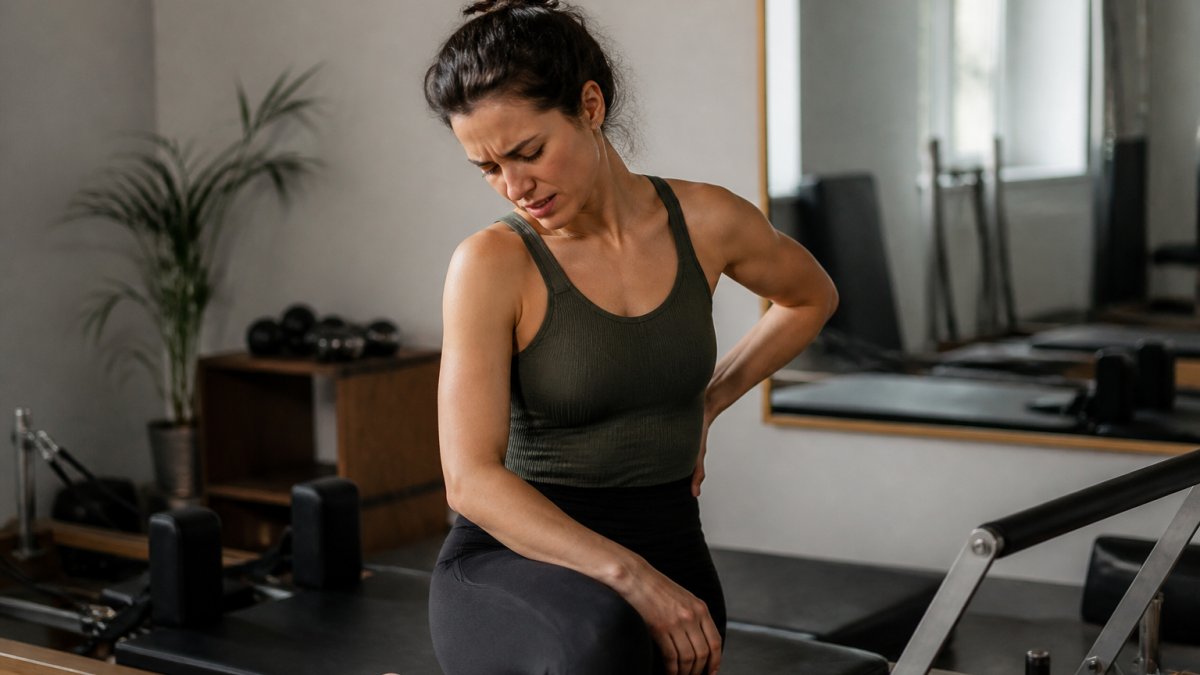
One of the biggest fears for anyone experiencing back pain is simple:
“What if I do the wrong exercise and make my back worse?”
It is a reasonable concern, particularly for someone who has already experienced increased pain after exercising.
Perhaps you have tried stretching, planks, sit-ups, yoga, Pilates, reformer exercises or gym strengthening because someone recommended them for back pain. Yet instead of feeling better, your symptoms became worse.
Does this mean exercise is dangerous?
Not necessarily.
The problem is not always the exercise itself. The problem may be that the exercise was not appropriate for your particular back pain pattern, physical limitations or stage of recovery.
This distinction is fundamental to the Menezes Method® approach to back pain.
Not All Back Pain Is the Same
Back pain is not one single condition, and there is no universal exercise programme that works for everyone.
Consider how differently people experience back pain:
-
One person feels worse after prolonged sitting.
-
Another experiences discomfort after standing for extended periods.
-
Someone else finds that bending forward aggravates their symptoms.
-
Another person feels worse when arching backwards.
-
Some experience discomfort related to restricted hip movement.
-
Others struggle with lower abdominal control, locked knees or inefficient walking mechanics.
Even when two people describe similar symptoms, their movement limitations and exercise tolerance may be quite different.
This is why asking whether an exercise is generally considered beneficial for back pain is not enough.
Instead of asking:
“Is this exercise good for back pain?”
A more useful question is:
“Is this exercise appropriate for my back, at this stage of recovery, considering my current symptoms?”
At the Menezes Method®, we focus on understanding the individual before deciding which exercises to introduce.
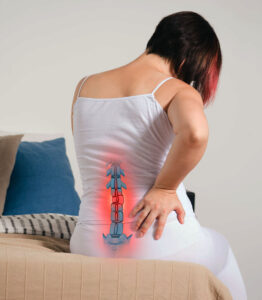
Why Some Exercises Can Aggravate Back Pain
An exercise that is beneficial for one individual may aggravate another person’s symptoms.
There are several possible reasons.
-
Insufficient spinal control: The individual struggles to maintain appropriate spinal support during movement.
-
Excessive lower back tension: The lumbar muscles compensate rather than working efficiently with the abdominal muscles.
-
Restricted hip mobility: Limited movement through the hips may place additional demands on the lumbar spine.
-
Incorrect breathing: Holding the breath can increase unnecessary tension during exercise.
-
Excessive exercise difficulty: The movement exceeds the person’s current strength or coordination.
-
Unsuitable movement direction: Flexion, extension or rotation may aggravate an individual’s particular symptoms.
-
Ignoring warning signs: Continuing through increasing pain can make symptoms worse.
-
Excessive abdominal bracing: Rigidly tightening the abdominal muscles may interfere with comfortable breathing and coordinated movement.
-
Poor pelvic control: Unwanted pelvic movement may compromise the intended exercise.
-
Lack of individualisation: The exercise does not address the person’s specific movement limitations or rehabilitation requirements.
For example, someone whose pain is aggravated by repeated forward bending may need to modify flexion-based exercises.
Another person may find prolonged standing or repeated extension uncomfortable.
Someone with poor lower abdominal coordination may experience excessive lumbar tension during exercises intended to improve core strength.
These examples do not mean that bending, extension or strengthening exercises are inherently harmful.
They demonstrate why exercise selection, technique, dosage and progression matter.
The Menezes Method®: Assessment Before Exercise
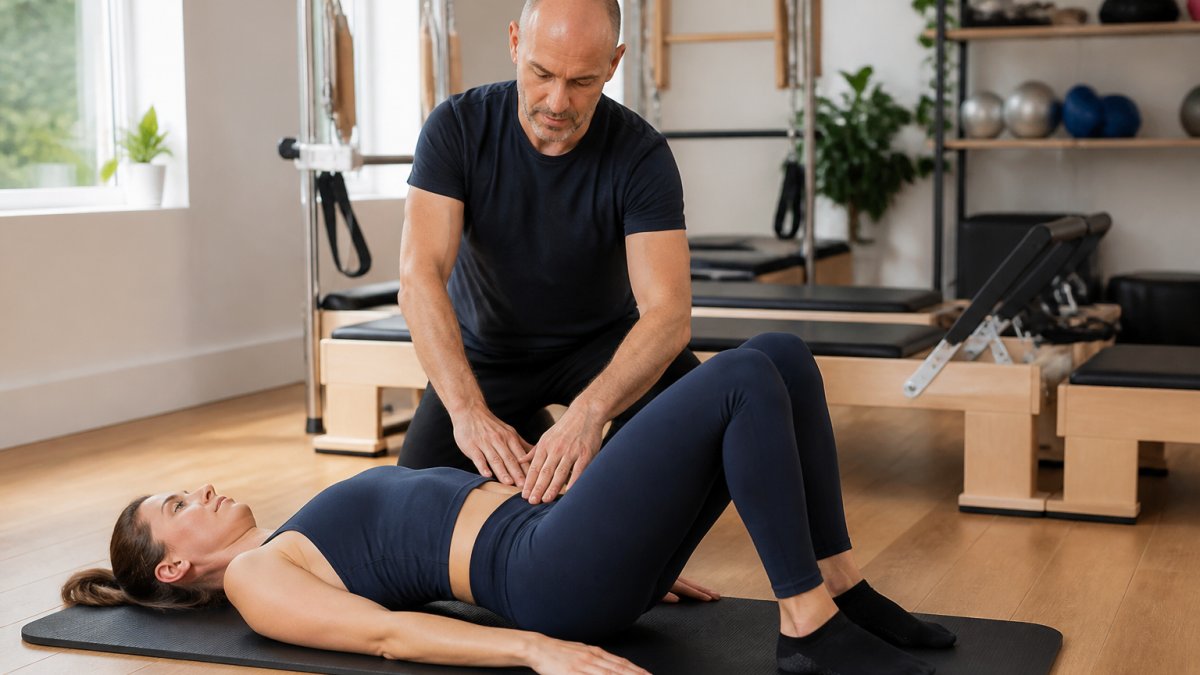
At the Menezes Method®, we do not begin with a random collection of exercises.
We begin by examining how the individual moves and responds.
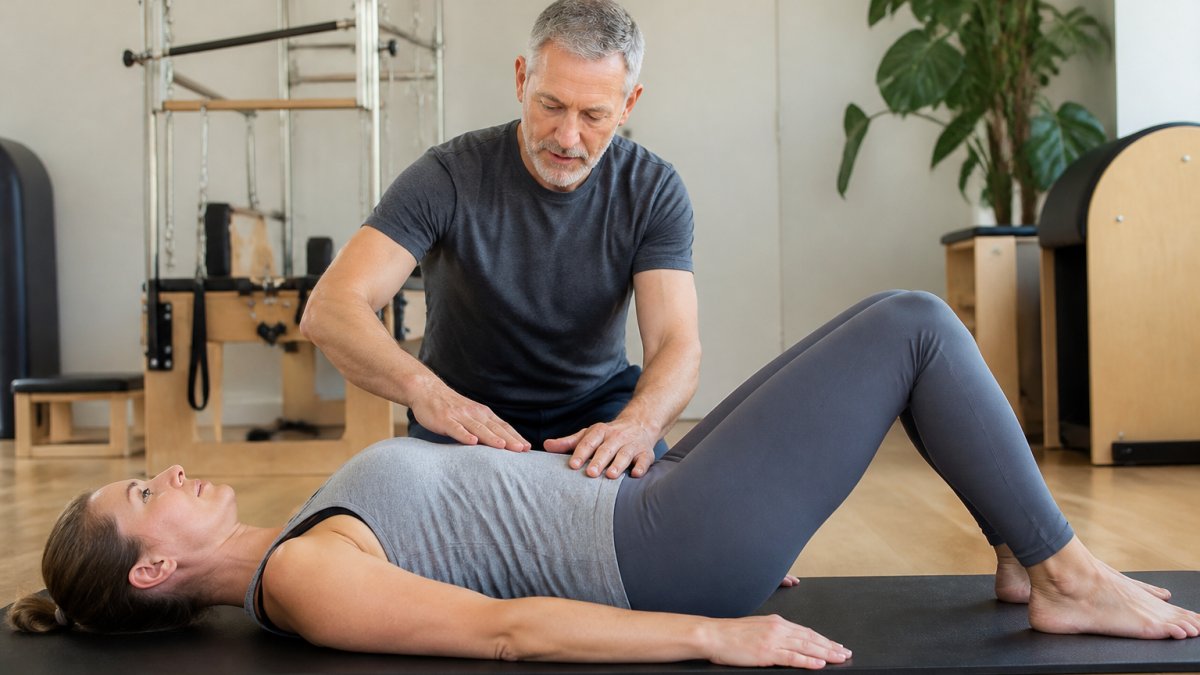
A personalised movement assessment may consider:
-
Standing posture and spinal organisation.
-
Sitting posture and tolerance.
-
Walking mechanics.
-
Forward bending and extension.
-
Hip mobility and pelvic control.
-
Lower abdominal coordination